
The Hornbill’s Nest: A Parallel of Trust
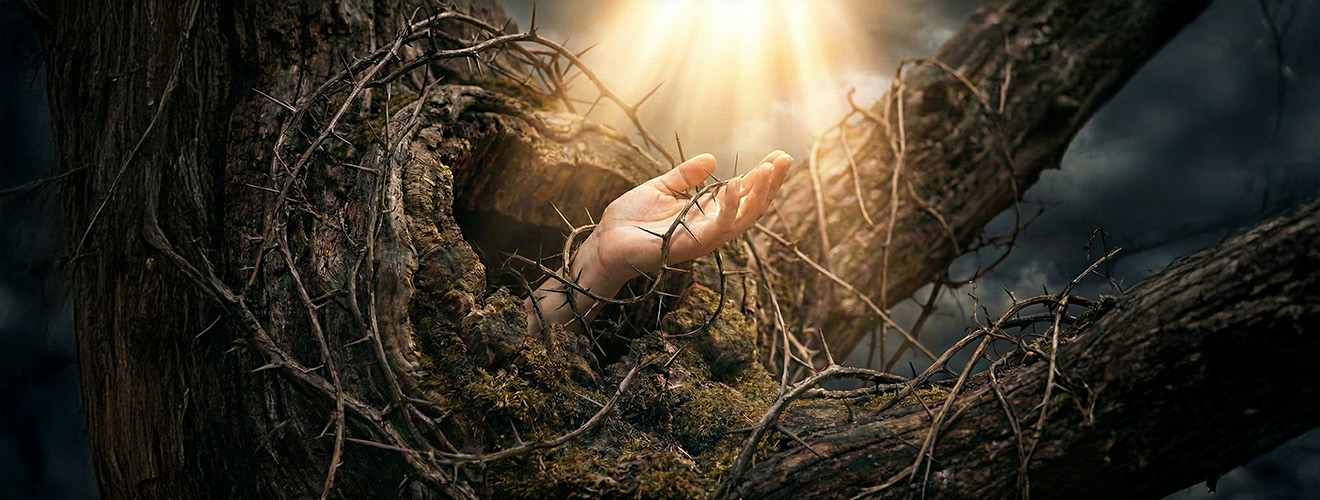
So do not fear, for I am with you; do not be dismayed, for I am your God. I will strengthen you and help you; I will uphold you with my righteous right hand. – Isaiah 41:10 (NIV)
Hornbills are omnivorous birds primarily inhabiting the tropical and subtropical areas of Africa, Asia, and Melanesia. A key characteristic of the hornbill is its heavy bill, which is crucial for fighting, nest building, and capturing food, and is supported by strong neck muscles. They are known to be monogamous breeders and typically nest in natural hollows found in trees or occasionally in cliffs.
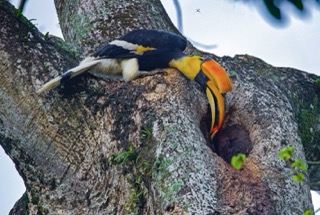
When the female is ready to lay her eggs, she and her mate begin to seal the nest cavity’s entrance with her inside. They construct a wall using mud, droppings, and fruit pulp, which, while providing security, can be likened to a prison. She leaves only a narrow slit, just wide enough for her mate to pass food through, making her entirely dependent on him for sustenance. During this time, she will often pluck out her own flight feathers, as they are unnecessary while she is raising her young inside the sealed nest.
The intense confinement and reliance on the male for survival during the hornbill’s nesting period offer a profound spiritual parallel.
Just as the female hornbill seals herself off, depending entirely on her mate, there are times in our spiritual lives when we are called to a similar form of total dependence on God and sequestration. This “sealing off” is a period not of punishment, but of protection, growth, and nurturing what is new within us.
During these periods of isolation and dependence, we must learn to trust completely in the provision of our Divine Provider, much like the hornbill. We surrender our own strength (our “flight feathers”) because we recognize that our only true life and sustenance flow from Him.
Spiritual Parallels
Sealed In: Just as she willingly allowed herself to be confined and even took part in the act, we too should be eager to submit to God when He divinely ordains such circumstances in our lives.
Limited Vision: Once she was sealed in, her understanding of the surrounding events would be limited. Similarly, tribulation often becomes our most profound classroom for learning about God. When we are confined to a difficult situation with limited knowledge, we are forced to rely solely upon Him. This is by design because we must learn to walk by faith and not by sight.
Plucks Feathers: We need to remove our “spiritual feathers,” which symbolize anything we rely on for help apart from God. This act of plucking symbolizes our complete surrender to God’s will. By abandoning all thoughts of an early escape or self-reliance, we demonstrate our settled faith in God and His divine plans.
Lays Eggs: Once fully committed and submitted, she gives life to others—her offspring—through birth. This reminds us that even amid our spiritual struggles, God can use us to inspire life in others. We are perfectly capable of bearing spiritual fruit even in the most challenging of circumstances.
Daily Sustenance: The lifelong fidelity of the Hornbill pair, evident in the female’s submission and the male’s provision, mirrors our own relationship with God. This relationship is anchored in our faith that our heavenly Father is our eternal savior, protector, and provider.


